Can a Human Get Worms From a Cat

Intestinal parasites, some of which are commonly referred to as "worms," are unfortunately all too common in pet cats. These parasites live within your true cat'southward torso, where they can wreak havoc on your true cat'southward health.
Yous might not know that your cat has abdominal parasites unless you run across telltale signs (more about that below) or if your cat is heavily infested and begins to display physical symptoms of the infestation.
Veterinarians at Cornell University estimate that upwards to 45% of cats may exist infected with abdominal parasites. The most common intestinal parasites that infect cats are roundworms, hookworms, tapeworms, coccidia, andGiardia.
How Do Cats Get Intestinal Parasites?

Cats of all types and ages tin can get worms, just outdoor cats who consume wild animals are more prone to picking them up.
Cats tin can get infected by intestinal parasites in several different ways, depending on the specific parasite and the age of the true cat. Cats well-nigh at chance are kittens, cats that get outdoors, or cats coming from places where big numbers of cats are housed together, like animate being shelters, pet stores, or breeding catteries.
Kittens often get infected from their mother during nursing because some worms can be passed from mama true cat to the kittens through the mother's milk. It's very common for kittens to exist infected with worms. Starting at ii weeks of age, kittens are dewormed every two weeks until they are about 3 months one-time. From 3 to six months of age, kittens are dewormed in one case a calendar month.
Adult cats and kittens can also be infected with intestinal parasites by sharing food and water bowls or litter boxes with infected cats, eating rodents (roundworms or tapeworms), ingesting carrion or contaminated soil or establish textile (roundworms, hookworms, coccidia, orGiardia), walking across contaminated feces or soil (hookworms), or swallowing a flea (tapeworms).
What Kinds Of Intestinal Parasites Exercise Cats Get?
Cats can go many unlike internal parasites. Some of the nearly common intestinal parasites seen in pet cats include:
Roundworms
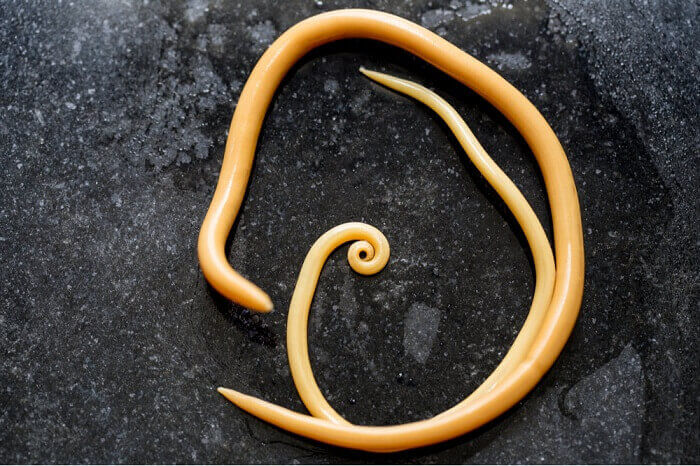
Roundworms(Toxocara cati and Toxascaris leonine)are the most common abdominal parasites in cats. Although any cat tin can become infected with roundworms, these worms are extremely common in kittens.
Kittens that are infected with roundworms oftentimes take a telltale potbelly (distended abdomen). Roundworms live in the intestines, where they feed on the food your cat eats. Over time, roundworm infestation can contribute to malnutrition. Roundworms can be transmitted to people.
Hookworms
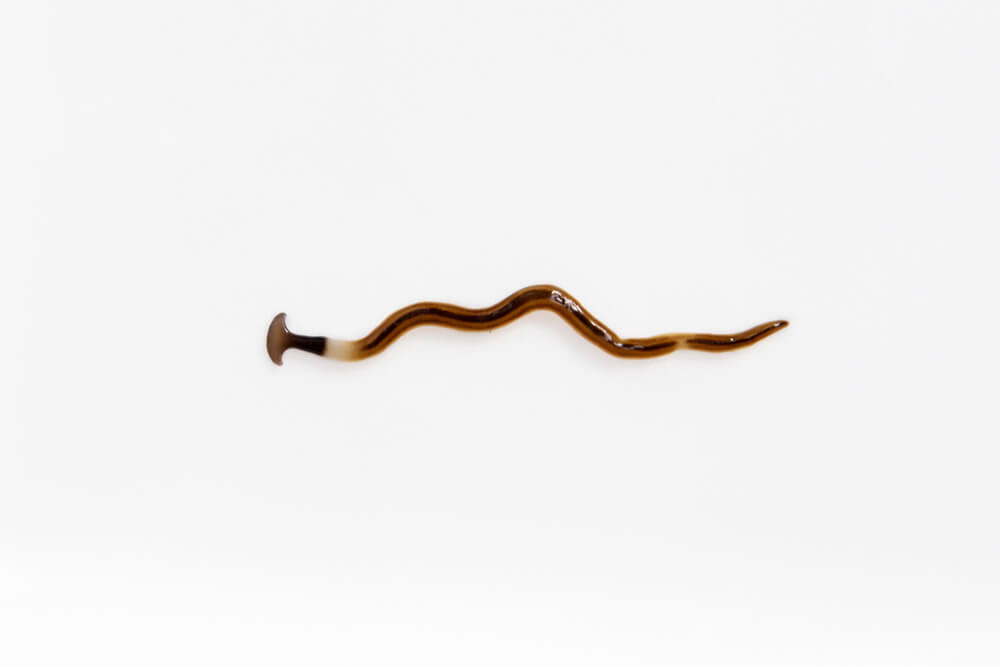
Hookworms are small worms that adhere themselves to the lining of the intestines, where they feed on your cat's blood. Severe hookworm infestations tin cause anemia.
Cats get infected when they ingest hookworm larvae or walk on contaminated carrion, true cat litter, or soil. When a cat walks on a surface contaminated with hookworms, the larvae enter the body by penetrating the skin. Hookworms can be transmitted to people and other pets.
Tapeworms
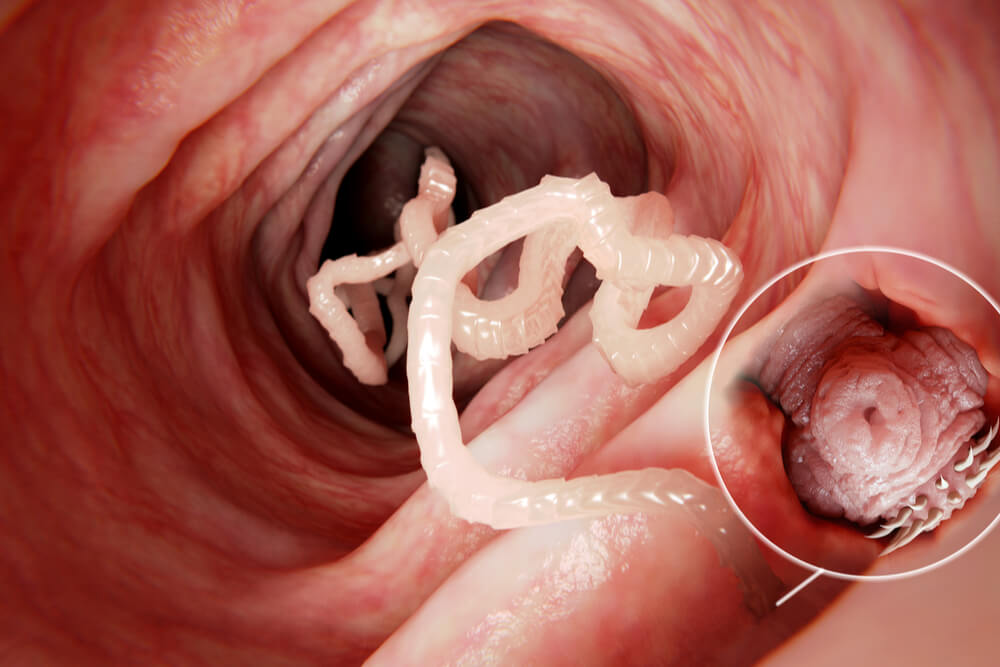
Cats or kittens normally contract tapeworms when they swallow an infected flea during self-grooming. The flea acts as an intermediate host for the tapeworm. When the cat swallows information technology, the tapeworm somewhen takes up residence in the cat's intestines, where it attaches itself to the lining of the intestines with its hooked teeth.
Cats tin likewise cease up with tapeworms if they eat a mouse, rat, rabbit, or other pocket-size brute infected with tapeworms. In one case inside a cat, tapeworms can grow to enormous lengths: up to 11 inches (30 centimeters).
Tapeworms are segmented. Tiny segments of the worm, called proglottids, can intermission off and pass out of the cat's body in the stool. These segments are visible to the naked eyes and await like white or yellowish grains of rice.
Coccidia
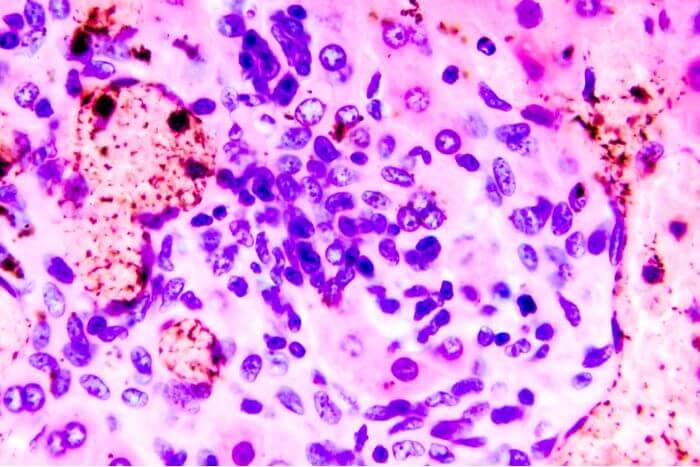
Coccidiosis is caused by coccidia (Isospora felis, Isospora rivolta), microscopic single-celled parasites that live in a cat's intestinal wall. Cats go infected when they ingest an infected cat's feces or soil that has been contaminated with feces. Coccidia causes astringent diarrhea, which tin be life-threatening in young kittens.
Giardia
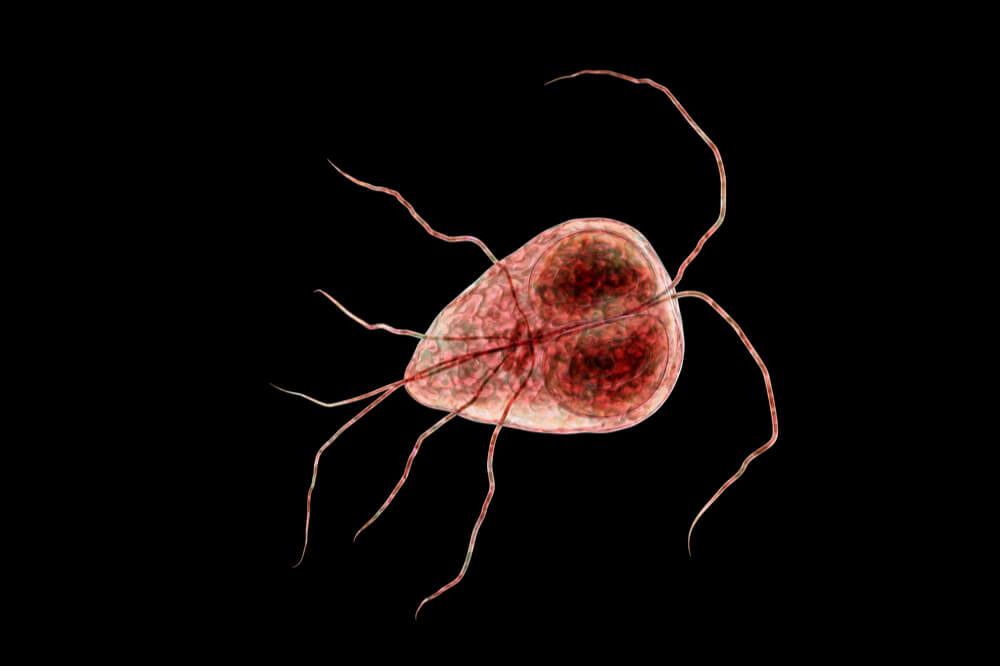
Giardiainfection, chosen giardiasis, is caused by tiny single-celled protozoan parasites(Giardia duodenalis) that live in the intestines and cause diarrhea. Kittens are almost at risk, along with senior cats, immunocompromised cats, and cats that are ill. Cats go infected withGiardiaif they ingest the feces of another infected cat. It's possible that cats can laissez passerGiardiainfection to humans.
Symptoms Of True cat Worms

The symptoms of cat worms can exist subtle, sometimes only condign credible during a routine fecal examination. Other symptoms include anemia, bloating, digestive symptoms, and signs of malnutrition.
Yous may see no symptoms that your cat has intestinal parasites, even if they're causing problems with your true cat's health.
This is why veterinarians recommend routine fecal exams (called fecal flotation tests) in one case or twice a year to check the stool for worm eggs or cysts from protozoa (unmarried-celled organisms). If you tin can, provide your vet with a fresh stool sample from your cat when it'southward time for a fecal test.
If your cat is heavily infested, y'all might notice signs that your cat has intestinal parasites.
Symptoms of worms include:
- Anemia
- Bloated abdomen (potbelly)
- Constipation
- Diarrhea
- Gas
- Lethargy (lack of energy)
- Licking or biting under the tail
- Loss of appetite
- Malnutrition
- Restricted growth
- Scooting (dragging the rear on the flooring)
- Vomiting
- Weight loss
Handling & Recovery
Treatment for intestinal parasites is with medications called anthelmintics, which kill abdominal worms and other intestinal parasites. Although some anthelmintics are available over the counter without a prescription, dissimilar anthelmintics impale unlike intestinal parasites, and then information technology's important to detect out first what blazon of parasites your cat has. Additionally, some parasites require prescription medications that are but bachelor from your vet.
To find out what blazon of abdominal parasites your cat has, your veterinary will conduct a fecal exam.
After collecting a sample of your cat's stool (or y'all provide a fresh stool sample), the veterinary will examine it under a microscope. The vet is not searching for adult worms, merely instead is looking for the presence of worm eggs, Giardia cysts, or oocysts (immature coccidia). Once these have been found, the vet can place which intestinal parasites are infecting your cat.
Cats can be infected with more than 1 type of abdominal parasite at the aforementioned fourth dimension. Sometimes, the same medication volition kill all the parasites; other times, your cat might need more than than i anthelmintic.
If you have other cats in the dwelling house, your veterinary might recommend that yous treat all the cats in the business firm for intestinal parasites.
If your cat has tapeworms, the treatment is two-role. First, your veterinarian will prescribe a medication to kill the tapeworms your cat has. Second, your cat and your home should exist treated for fleas. Flea infestation and tapeworms go hand in manus because cats get tapeworms by ingesting a flea.
If the cat has fleas or if you lot have fleas or flea eggs in your home, the cat volition proceed to go re-infected with tapeworms.
Your veterinary tin can recommend an oral or topical flea command product to impale the fleas on the true cat. Additionally, you should care for your abode and yard for fleas, either using a commercially available flea product or by consulting with a professional person exterminator.
As well Read: Best Cat Dewormers
Preventing Cat Abdominal Parasites
When it comes to abdominal parasites, prevention is the all-time medicine. Certain monthly flea, tick, and heartworm preventives besides protect your cat against sure intestinal parasites (normally roundworms and hookworms). Talk to your veterinarian well-nigh the best parasite prevention for your cat.
Whichever preventative you choose, use it yr-round and follow the instructions carefully.
Frequently Asked Questions
Can I go worms from my cat?
Cats tin can pass certain intestinal parasites to humans, including roundworms, hookworms, and Giardia. Although people tin technically get tapeworms, it is unusual because the person would have to ingest a flea infected with tapeworm. Due to the risk of transmission to humans, it's important to have your cat tested for worms one time or twice a year and to utilize a year-round parasite preventive product.
How does an indoor true cat get worms?
Although indoor cats are at lower risk of contracting intestinal parasites, cats can notwithstanding become infected if they meet rodents (mice and rats) that harbor the parasites, or if the cat swallows a flea while self-grooming (which can transmit tapeworms).
Can I treat my cat'southward worms at home?
Although some anthelmintics are sold over the counter without a prescription, unlike medications impale unlike types of worms. Because you lot must first find out what type of intestinal parasites your cat has, brand a visit to your veterinarian for a fecal exam. Your veterinarian can then recommend the proper anthelmintic.
Source: https://allaboutcats.com/cat-intestinal-parasites
0 Response to "Can a Human Get Worms From a Cat"
Post a Comment